Your Kid’s Body, The Red Flags Most Parents Miss.

Your Kid’s Body, The Red Flags Most Parents Miss.

If Your Kid Is Competing Year-Round, is Their Body Getting What It Needs?

If you have a child playing competitive sports in Northern Colorado — soccer, basketball, lacrosse, baseball, gymnastics, volleyball, cheer — you already know what the schedule looks like. Club season. School season. Summer tournaments. Winter showcases. Training camps. Speed and agility programs.

It doesn’t stop.

And somewhere in that schedule, a lot of kids are playing through pain they’ve been told is “just part of the sport.” Knee soreness. Hip tightness. Shoulder aches that come and go. Low back pain that their coaches chalk up to growing pains.

Some of it is. But, a significant portion of what young athletes are managing silently is something that can be easily assessed and addressed. Unfortuately, these red flags are usually looked over until bigger problems occur. This leads to the injuries that cost kids seasons, scholarships, and sometimes entire athletic careers.

The earlier it’s identified and corrected, the faster and more completely it resolves. The longer it’s ignored, the more compensation becomes normalized causing chronic issues.

One80 Physical Therapy athlete sports injury recovery

One80 Physical Therapy in Loveland, CO sports medicine

The Youth Sports (This Includes Dance) Injury Landscape in Northern Colorado

Youth sports injuries have been rising steadily for two decades, driven primarily by early sport specialization and year-round competition without adequate recovery. The injuries we see most frequently at One80 Physical Therapy from the youth athlete population in Northern Colorado include:

ACL Tears and Knee Ligament Injuries

ACL injuries in young athletes, particularly female athletes in cutting sports like soccer, basketball, and volleyball, have reached epidemic proportions nationally. What most families don’t know: the majority of ACL tears are preventable. They happen when muscles fail to stabilize the knee under load, a failure that develops over time and can be identified and corrected before the tear occurs.

Post-ACL surgery return-to-sport rates are only about 65% in non-professional athletes, with re-tear rates running between 15 and 25% in the first two years. The conventional post-op rehab model is a major contributor to these statistics. Our post-surgical ACL patients at One80 consistently return to full sport ahead of conventional timelines AND we’ve never had one fail.

Growth Plate Stress Injuries (Osgood-Schlatter, Sever’s Disease)

These conditions, painful inflammation at the growth plates of the knee (Osgood-Schlatter) and heel (Sever’s), are almost universally undertreated. The standard advice is rest and ice. The One80 approach identifies the underlying biomechanical load distribution causing the growth plate stress and corrects it, allowing most young athletes to continue participating at a modified level while resolving the condition — rather than sitting out for weeks or months.

Shoulder and Elbow Overuse in Overhead Athletes

Baseball pitchers, swimmers, volleyball players, and gymnasts are particularly vulnerable to overuse injuries in the shoulder and elbow. Little League elbow, shoulder impingement, and rotator cuff tendinopathy in teen athletes are increasingly common, and increasingly serious.

Hip and Groin Issues in Cutting Sport Athletes

Hip flexor strains, labral irritation, and hip impingement are common in soccer, hockey, and basketball players, and are frequently mismanaged because the hip is a complex joint and conventional PT protocols don’t address the movement driving the problem. We see young athletes who’ve been told they have “hip flexor tightness” for two years. Usually it’s a muscular control issue that resolves in 2 to 3 visits when treated correctly.

Ankle Sprains That Keep Coming Back

The single most common youth sports injury is also the most chronically mismanaged. A lateral ankle sprain treated with rest, ice, and a brace returns the athlete to play structurally intact but neuromuscularly compromised, meaning the stabilization systems that should protect the ankle haven’t been restored. The result is a pattern of recurrent sprains that accumulates through a career. At One80, most acute ankle sprains are cleared for return to play in 2 to 4 visits with the stability systems fully restored.

Dr. Polka working with a football player at one80 Physical Therapy in Loveland, CO

Dr. Polka at one80 Physical Therapy with D1 quarterback.

Why “Rest and Ice” Is Often the Wrong Prescription for Young Athletes

The standard management of youth sports injuries in the conventional medical model follows a predictable pattern: symptoms appear, athlete is told to rest, symptoms subside, athlete returns to play, symptoms return. Repeat.

This cycle happens because rest addresses the symptom — the tissue irritation, the pain — without addressing the cause. The neuromuscular dysfunction that allowed the injury to occur remains intact. The compensation patterns that developed around the injury remain intact. The athlete returns to full load with the same vulnerable movement system they had before they got hurt.

The One80 System breaks this cycle by identifying and correcting the underlying dysfunction — not just waiting for the pain to go away. For young athletes, this means returning to play faster, with a movement system that is more resilient than it was before the injury.

What Parents Need to Know About One80 and Young Athletes

We work with youth athletes from across the Northern Colorado competitive sports community, from club soccer and travel baseball to high school varsity programs from Boulder to Cheyenne. A few things that matter to parents:

  • No referral is needed. You can call and schedule directly without a physician visit first.
  • Most young athletes see significant improvement in 2 to 4 visits. We will give you a clear recovery timeline at the first session.
  • Our visit packages are household-based. If you have multiple athletes at home, the same package covers the whole family and can be used for up to 12 months.
  • We accept HSA and FSA accounts. We also provide superbills for plans with out-of-network benefits.
  • We do not just treat the injury site. We examine your child’s full movement system and correct what’s causing the breakdown — not just where they feel it.

The Case for Injury Prevention Over Injury Management

The most expensive conversation we have with parents is the one that starts: “We wish we’d come in sooner.”

A movement screening for a youth athlete costs significantly less — in time, money, and disruption to their season — than treating an ACL tear, managing a stress fracture, or working through a shoulder that’s been compensating for two years.

If your child is a competitive athlete in Northern Colorado and hasn’t had a movement screen, that’s where we’d start. We identify the specific vulnerabilities in their movement system before those vulnerabilities become injuries. For many families, it’s the best $105 (up to 20% off with packages) they spend all year.

Frequently Asked Questions

My kid has been playing through knee pain all season. Should I wait until the season ends?

No. Pain that persists through a competitive season is indicating an active problem, not soreness that will self-resolve with rest. Waiting until the season ends typically means the problem has become more entrenched and recovery takes longer. Early intervention almost always means a faster return to full function.

Our pediatrician told us it’s just growing pains. Should we get a second opinion?

If your child’s pain is affecting their ability to train or compete at full intensity, it warrants evaluation by a specialist in youth athlete movement and biomechanics. Growing pains are a real phenomenon, but they are frequently used as an explanation for conditions that are entirely addressable. We’re happy to provide a free consultation so you can make an informed decision.

My daughter tore her ACL and had surgery. When should she start working with One80?

As soon as possible — typically within the first week. The early phase of ACL recovery is critical for restoring neuromuscular function, and the difference in outcomes between patients who start structured neuromuscular rehab early versus late is significant. Our ACL post-op patients consistently return to sport ahead of conventional timelines.

Do you work with coaches and athletic trainers?

Yes. We work collaboratively with coaches and athletic trainers throughout the Northern Colorado area and are happy to communicate directly about return-to-play status and activity modifications. Keeping the whole team informed speeds recovery.

📞 Is your young athlete playing through pain?

Call (970) 593-9300 for a FREE consultation — or book by clicking HERE.

Sources

  1. Brenner JS; American Academy of Pediatrics — Sports specialization and intensive training in young athletes. Pediatrics, 2016.
  2. Myer GD et al. Rates of ACL injury in youth athletes: risk factors and prevention. Journal of Orthopaedic & Sports Physical Therapy, 2013.
  3. Rauh MJ et al. Epidemiology of musculoskeletal injuries among high school cross-country runners. American Journal of Epidemiology, 2006.
  4. Soligard T et al. Comprehensive warm-up programme to prevent injuries in young female footballers. British Medical Journal, 2008.
  5. Paterno MV et al. Incidence of second ACL injuries 2 years after primary ACL reconstruction. American Journal of Sports Medicine, 2014.

Why Going Out-of-Network for Physical Therapy in Loveland Could Be Your Best Health Decision.

Why Going Out-of-Network for Physical Therapy Could Be Your Best Health Decision.

The Conversation Most Physical Therapists Won’t Have With You

Does this feel familiar: you call a clinic, ask if they take your insurance, and they say yes.

What you realize later is that “taking your insurance” means your insurance company has negotiated what care you can receive, how many visits you’re authorized for, and what treatments your therapist is allowed to provide. Your insurance isn’t just paying the bill. It’s running the clinic and your treatments.

At One80 Physical Therapy in Loveland, we made a deliberate decision after 20 years in practice: we will only work for our patients, not insurance companies. That means we’re out-of-network with all insurance plans — and for most people, that leads to a better experience, faster results and a smarter financial decision.

What “In-Network” Means for Your Care

When a physical therapy clinic accepts your insurance, they’ve agreed to a contract. That contract sets the rules. And those rules are not designed with your best outcomes in mind.

Here’s what those contracts typically mean:

  • Visit limits: Your insurance authorizes a set number of visits per diagnosis per year — often 10 to 20. Your therapist must work within that ceiling regardless of what you need.
  • Treatment restrictions: Many plans require prior authorization — a process that can take days or weeks and is frequently denied.
  • High patient volume: In-network reimbursement is lower now than ever. So, clinics must see more patients per hour to stay profitable. Most therapists have 3 to 4 an hour. Your actual one-on-one time may be 5 to 10 minutes per session.
  • Cookie-cutter protocols: Insurance companies approve treatment based on diagnosis codes, not on individual needs. Your plan of care is typically a standardized protocol regardless of your specific needs.

This is a system designed to control costs, not to produce the best outcomes for you.

The Math That Surprises Almost Everyone

Most people assume that going out-of-network means spending significantly more money. The math often tells a different story.

Consider a typical injury (a shoulder problem, a knee issue, low back pain) treated at a conventional in-network clinic:

  • Average visits: 10 to 15 per injury
  • Average co-pay per visit: $40 to $55 (after your typically high deductible is met)
  • Total out-of-pocket: $450 to $750 minimum, plus time,
  • plus deductible costs, plus the real possibility of not getting much better.

The same injury treated at One80:

  • Average visits: 2 to 4 per episode of care
  • Per-visit rate: $105
  • Total out-of-pocket: $210 to $420

Fewer visits. Less time. Lower total cost. And, most important,

RESULTS that fix the problem for the long run.

Don’t forget, if you buy a punch pass, your per visit payment can be up to 20% less.

What about a complex post-surgical recovery or a chronic issue that needs more attention. The visit count may be higher, for both in and out-of-network treatment. We will always give you an honest assessment at your evaluation so you can plan with accurate information.

You May Be Able to Get Money Back From Your Insurance Company

Here’s something many patients don’t know: if your health insurance plan includes out-of-network benefits, and many do, you can direct reimbursement from your insurance company.

We also accept HSA and FSA accounts — so if you have funds set aside in a health savings account, your One80 visits are an eligible expense.

No Referrals, Authorizations or Waiting.

One of the most underappreciated advantages of true direct access care is the elimination of the referral and authorization process. In a conventional insurance-based model, getting to a physical therapist often requires 1-3 weeks due to:

  • A physician visit to obtain a referral
  • Submission of that referral to your insurance for authorization
  • A waiting period — sometimes days, sometimes weeks — while the authorization is processed
  • Possible denial and appeal process

At One80, you call, you schedule, and you come in. No referral needed. No authorization required. If you’re in pain today, you can start getting better today.

For busy parents in Northern Colorado — juggling work, kids’ schedules, and their own health, this is a huge bonus. One phone call and you’re on the calendar.

What the Out-of-Network Model Lets Us Do Differently

When we’re not constrained by insurance rules, we can practice the way we see fit: one patient, one therapist and treatment focus on root cause and individualized care.

We are not limited to approved treatment codes or billing units. This means we have plenty of time for you and never have to hand you off to an aide.

Every session at One80 is one-on-one with a Doctor who is a certified One80 Provider. Every treatment plan is built around what your body needs, and every visit is oriented toward the single goal of permanent resolution — not temporary relief that just gets you through the day.

This is not a luxury model. It is simply what physical therapy looks like when the insurance company isn’t in the picture.

Frequently Asked Questions

I have great insurance. Why wouldn’t I use it?

Great insurance pays well for many things. Not for physical therapy. The structure of in-network care means less hands-on treatment, more symptom modifications, and more visits to achieve the limited to no outcomes. The question to ask is whether in-network PT will resolve your problem. If it doesn’t, you’ll eventually end up paying out of pocket… for nothing.

What if I’ve already met my deductible for the year?

The relevant question is: will in-network care resolve my problem? If you’ve already been through a round of conventional PT without lasting results, the answer is no — even free treatments wouldn’t be worth it.

Can my kids be treated at One80?

Yes. Our visit packages are household-based, meaning the whole family can use them. For active families in Northern Colorado with kids in sports, this makes One80 an efficient option for the entire household, and gets your cost per visit closer to your in-network payment.

Do you offer any package pricing?

Yes. We offer a la carte visits as well as multi-visit packages, 90% of our patients take advantage of these, that reduce the per-visit cost. Because our packages last for 12 months, this structure also lets you save visits for when you need them most. Call us at (970) 593-9300 for current pricing details and to discuss which option fits your situation

📞 No referral needed. No authorization required.

Call (970) 593-9300 for a FREE consultation.

Sources

  1. Pew Research Center — Health insurance coverage and out-of-pocket costs in the United States, 2023.
  2. Jette DU et al. Physical therapy episodes of care for patients with low back pain. Physical Therapy, 2009.
  3. American Physical Therapy Association — Direct access to physical therapy: state-by-state summary: https://www.apta.org
  4. Mitchell JM. Downstream effects of insurance contracting in physical therapy markets. Health Economics, 2018.
  5. IRS — HSA eligible expenses, Publication 502: https://www.irs.gov/publications/p502


Dry Needling in Northern Colorado: Does It Actually Fix Pain?

Does Dry Needling Really Relieve Pain in Northern Colorado?

Having tiny needles poked into a painful muscle knot is unnerving. But can it help?

From the New York Times, Featuring Dr. Polka

By Andrea Javor

April 20, 2026

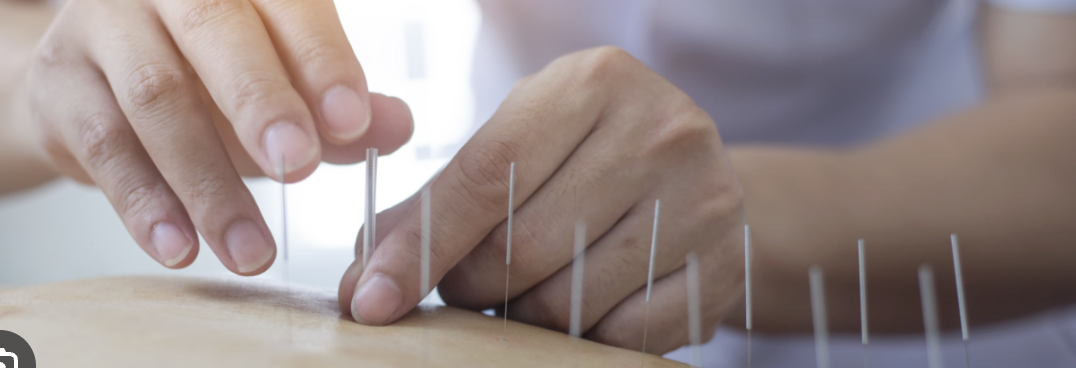
Over the past decade, a strange practice has worked its way into physical therapy offices. It’s not exactly acupuncture but still involves a therapist sticking tiny needles under your skin and letting you suffer for a short time.

Dry needling — the insertion of ultrathin needles into trigger points to loosen them — was codified by the American Medical Association as an acceptable form of therapy in 2016. Since then, it has become a standard part of orthopedic care, with superstar athletes like Travis Kelce and Caitlin Clark using the treatment for recovery and maintenance.

Fans of the procedure say it can offer near instant relief, describing a melting of pain or a feeling of release at the needling site. Others say at best it’s a temporary fix.

And while the therapy is largely considered safe, sticking needles in the body does carry some risk. In December, T.J. Watt, a linebacker for the Pittsburgh Steelers, suffered a collapsed lung after a session of dry needling. (He eventually recovered and finished out the season.)

What does dry needling do? Nobody knows…

So what do you need to know about dry needling?

Is it a clinical breakthrough for chronic pain or just another overhyped wellness trend?

What is dry needling?

The basic idea behind dry needling is to create a tiny injury in a painful part of the body in hopes of increasing blood flow and loosening tight muscles, tendons and other tissue. The needles don’t inject anything — hence they are “dry.” The treatment is most often used to treat overuse or stress injuries tied to “trigger points,” or muscle knots.

Generally, practitioners will either leave the needles in place or gently slide them up and down under the skin (called pistoning). Other times, they may run electricity through the needles to further  relax the muscle. Either way, the sensation can be strange. “I saw the muscles on my arm dancing while it was being done,” said Caroline Miller, a 64-year-old competitive swimmer from Maryland, of her experience with standard dry needling. But, she added, “the next day all the pain went away.”

Though dry needling has generally been used to target muscles, over the last decade the treatment has expanded to tendons, scar tissue, fascia and bone surfaces. Some evidence even suggests that it may improve headaches. But despite their similarities, dry needling is not the same as acupuncture.

“Dry needling focuses solely on musculoskeletal targets, like trigger points,” said Melissa Monroe, an acupuncturist in Los Angeles. By contrast, she added, acupuncture incorporates traditional Chinese medicine principles around energy and fascia pathways in the body.

Does it work?

The answer, as with many physical therapy procedures, is: It depends.

While evidence of long-term benefits of dry needling are low-quality, many studies have found it’s is more effective than a placebo and at least as effective as traditional physical therapy techniques, like exercise and massage, in the short term.

Many patients report an immediate sense of relief after a session, as well as an increase in muscle strength and range of movement, said Jan Dommerholt, a physical therapist in Maryland who runs a certification program.

Oddly enough, it’s still not clear exactly how needling works. While experts agree that muscle knots exist, not all agree they are the cause of myofascial pain or whether needles are the best way to release them.

“Dry needling at best is a short-term solution that ignores the root cause of the issue,” said Rhett Polka, a physical therapist in Loveland, Colo. He argues that dry needling only temporarily calms symptoms like tightness or spasms and bypasses deeper physiological issues.

Medical professionals should be focused on the root cause, not symptoms.

“There are therapies like heat and gentle massage that are just as effective for loosening muscles,” said Nelin Krull, a physical therapist in Toronto.

Even those who promote needling say it’s not a panacea, and that it should be administered by a qualified professional, often alongside other treatments, like joint mobilization, soft tissue worktherapeutic exercise or gait training.

Some studies have found that electro-stimulation can deliver faster pain relief, but again, only in the short term. When used for headaches, randomized trials have found that needling can help, but no more than other therapies.

While Medicare does cover the treatment for lower back pain, many insurance companies do not.

Is it safe?

Studies show that when practiced correctly, dry needling rarely leads to significant complications, though the risk is not zero. Minor side effects, like bruising, bleeding or temporary pain after treatment are common, according to one 2020 study.

More serious events, like worsening symptoms or forgotten needles were exceedingly rare, appearing in less than 0.1 percent of cases. The risk of a collapsed lung, as Mr. Watt experienced, is even rarer.

Certification programs have expanded in recent years, so it’s important to find a qualified, experienced clinician, though it’s often complicated. State laws dictate certification requirements, but they vary. Maryland and New Jersey, for example, require 80 hours of education, while Virginia asks that a clinician simply “show competency.” Seven states have no laws at all.

Because of a lobbying effort by acupuncturists, California, New York and Hawaii currently restrict the procedure to licensed acupuncturists.

Ashley Katzenback, a physical therapist in Cape Cod, Mass., recommended treating dry needling as you would any other specialized medical care, asking clinicians “what type of certification they have, where they did their training and how long they’ve been practicing.”

Regardless of who does it, dry needling isn’t appropriate for pregnant people or those with bleeding disorders, a weakened immune system, lymphedema (swelling), cancer or an active skin infection.

At the end of the day, dry needling is relatively safe and effective at loosening muscles and easing pain in the short term. Some patients swear by the therapy, though it’s probably no more effective than other treatments, and it may not address the underlying causes of pain.

A version of this article appears in print on April 21, 2026, Section D, Page 6 of the New York edition with the headline: Dry Needling and Pain Relief. Order Reprints | Today’s Paper | Subscribe

One80’s stance on dry needling in Northern Colorado? We don’t use it because it is at best a placebo and has greater chance of causing more damage than solving the problem. We avoid a gimmick treatments (needling, cupping, decompression, shockwave, etc) because they never get to root cause and end up costing patients more time and money lost.

If you’re in Northern Colorado and you’d like to experience the opposite of everything else out there, you are ready to do a One80. Our patented techniques have been proven over the last 20 years to get patients better and back to normal activity in an average of 3 visits. To find a One80 provider near you in the US, Canada or Europe, visit our provider page at www.one80pt.com.

To schedule a FREE consultation at the original One80PT in Loveland, Colorado just click here or call (970) 593-9300

Why Your Low Back Pain or Sciatica Keeps Coming Back — And Why Most Treatments Fail

If you have tried physical therapy, chiropractic care, or massage for low back pain or sciatica and it didn’t last, it is not because your body is broken. And it is not because you failed.

It is because most treatments focus on the pain, not the real cause.

At One80 Physical Therapy in Loveland, CO, we use our patented One80 System to find and fix the real cause of your pain—so you can get back to your active life in fewer visits.

One80 Physical Therapy, Loveland

Welcome to the Revolution

Why low back pain and sciatica are so frustrating

If you have low back pain or sciatica, you already know:

  • It shows up when you don’t expect it
  • It stops you from working out or sleeping well
  • It keeps coming back, even after treatment

For active adults and busy families in Northern Colorado, this is more than annoying. It gets in the way of your life.

You have probably tried:

  • Physical therapy
  • Chiropractic care
  • Massage therapy
  • Stretching, foam rolling, or core exercises

And maybe it helped… for a short time.

But then the pain came back.

Why most treatments for back pain and sciatica don’t last

Here is the truth: Most care looks at where it hurts, not why it hurts.

Most treatments do things like:

  • Treat your low back with machines, needles, or cups
  • Stretch what feels tight
  • Strengthen what feels weak
  • Adjust or massage the painful area

This is called symptom-based care.

It may help for a little while, but it does not fix the real problem.

The reason your back pain keeps coming back

Low back pain and sciatica are usually not just a back problem. They often come from:

  • Muscles not turning on the right way
  • Poor teamwork between your hips, abdominals, and spine
  • Not enough stability when you move
  • Your nervous system trying to protect your body

Your body is very smart. If something is not working well, it finds another way to move.

This usually leads to your back working too hard.

So even if you:

  • Stretch your hamstrings
  • Strengthen your core
  • Get adjustments

…the same bad pattern is still there. And the pain comes back.

Why PT, chiropractic, or massage fail.

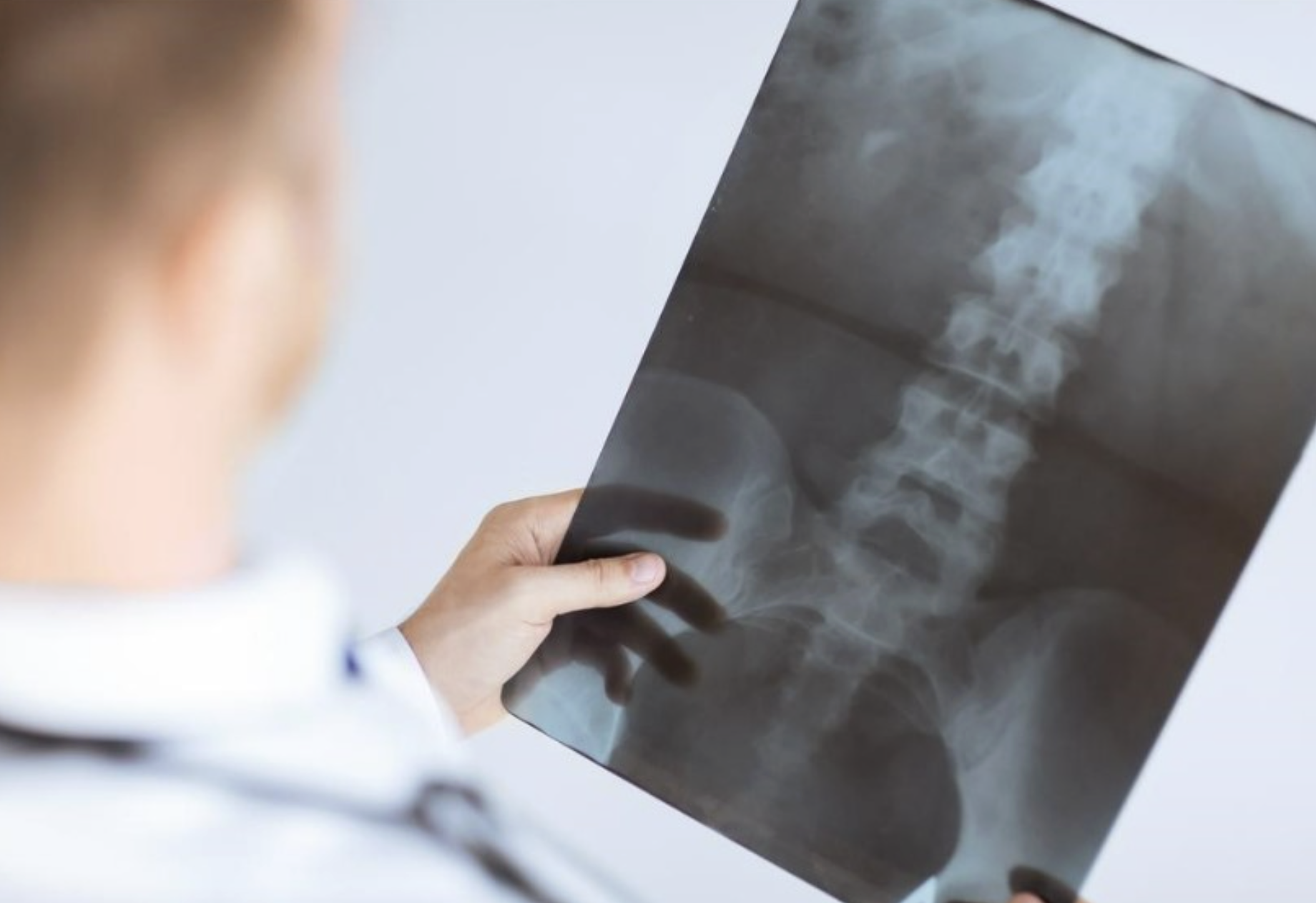
Do you really need x-rays? Most likely not.

If this sounds like familiar, your care likely missed the real cause.

You were

  • told you had “tight hips” or a “weak core” with no clear plan
  • shown X-rays of “bad discs” or “degeneration”
  • told to come 2–3 times a week for weeks or months
  • sold tape, braces, or other tools
  • hooked up to machines during appointments
  • told to rest and stop activity

You are not the problem. The problem is not enough precision in finding the cause.

The One80 System: A different approach to back pain and sciatica

At One80 Physical Therapy in Loveland, CO, we do things differently on purpose.

Our patented One80 System looks at how your whole body moves together—not just your back.

We ask what:

  • movements cause your pain
  • feels weak or unstable
  • you feel like during your daily activities
  • other areas have had problems with before

Instead of only looking at your spine, we look at your full movement system.

What treatment looks like at One80

Your visit is active and focused, so you get quick results.

We will:

  • Watch how you move in real life (lifting, bending, turning)
  • Test motion, strength and stability together (MoStreBility)
  • Find the real cause of your pain (which muscles are not working right)
  • Treat those muscles using our patented system
  • Test your movement again right away
  • Give you exercises made just for you

Most patients feel less pain, move better, and feel stronger right away.

We also tell you to stay active, not to go home and rest.

Why this works (and why it’s different)

Most clinics:

  • Look at symptoms
  • Treat symptoms
  • Hope it works

At One80, we:

  • Find the real cause
  • Treat it directly
  • Build strength the right way

This leads to:

  • Fewer visits (often 2–5 for many cases)
  • Faster results
  • Results that last
  • No need for constant treatment

Why this matters in Northern Colorado

If you live in Loveland, Fort Collins, Windsor, Timnath, or Berthoud, your life is busy.

You are likely:

  • Staying active with your family
  • Working out
  • Hiking, running, golfing, or playing pickleball
  • Managing a full schedule

That means you do not have time for multiple visits a week for months and trial-and-error care which means spending more money without results.

It’s time to get a plan that works for your active lifestyle, and works fast.

How to know if you’re a good fit for One80.

You are a great fit for One80 if:

  • Your back pain or sciatica keeps coming back
  • You have tried PT, chiropractic, or massage without lasting results
  • You want to stay active, not just manage pain
  • You want clear answers, not guesswork

Ready for the opposite of everything you have tried?

If you are ready for a plan that makes sense, the One80 System was built for you.

You can learn more about our approach at One80pt.com and follow what we do with local athletes and active families by CLICKING HERE.

Don’t settle for managing symptoms. You deserve care that respects your time, your goals and your wallet.

Welcome to the One80 Revolution!


If you or your family have never been to One80, we encourage you to ask for a FREE consultation so we can show you exactly what sets apart from every type of treatment you’ve tried in the past. It’s as easy as calling (970) 593-9300


Disclaimer: This information is for educational purposes only and is not a substitute for professional medical advice, diagnosis, or treatment.

Running Shouldn’t Hurt: Why One80 PT Gets Runners Back Faster Than Conventional Rehab

If you are a 20–40-year-old logging 15–50 miles a week around Loveland, Fort Collins, Berthoud, or Windsor and you keep fighting foot, plantar fasciitis-type pain, knee pain, hip pain, or back pain, it is not because running is “bad” for you.

You have probably tried inserts, rigid shoes, soft shoes, stretching, foam rolling, massage, tape, a Theragun, maybe even multiple rounds of physical therapy or chiropractic.

If you are still hurting, the problem is not you – it is the conventional, symptom-based model.

The patented One80 System® is the opposite of everything you have tried: 1:1 care, no protocols, full-body testing, and patient-specific exercises that target the root cause so you can prepare correctly and run without pain dominating your training.

If You Run Around Loveland, This Will Sound Familiar

You love running.

Maybe it is a quick 5K before work, weekend 10Ks, or building toward your first marathon.

But somewhere between 15 and 50 miles a week, something always flares up:

  • Foot or heel pain that feels like plantar fasciitis
  • Achy or sharp knee pain after hills or speed work
  • Hip tightness that creeps into every long run
  • Low back pain that shows up the day after a hard effort

You have:

  • Bought expensive shoes and custom inserts
  • Tried massage, foam rolling, and a Theragun
  • Done all the stretches Instagram told you to
  • Seen a chiropractor, personal trainer, or a big orthopedic center
  • Even completed weeks of “traditional” physical therapy

And yet, the next training block, the same pain shows up again.

It is exhausting.

Why Conventional Rehab Keeps Runners Stuck

Most PT, chiropractic, and sports medicine care around running pain is built on the same assumptions:

  • Where it hurts is where the problem is
  • If a muscle feels tight, it needs to be stretched or smashed
  • If a joint is stiff, it needs to be manipulated or adjusted
  • If the scan shows something, that must be the cause

So you get:

  • Ultrasound, electrical stimulation, or dry needling
  • Cupping, massage, or joint manipulation
  • Foam rolling, static stretching, and “corrective” exercises
  • Generic protocols based on your diagnosis code

Even the fancy gadgets do not magically retrain how your body moves.

Here is the issue: all of that focuses on symptoms, not the system.

Your knee hurts, so everyone stares at your knee.

Your plantar fascia screams, so all the attention goes to your foot.

Meanwhile, the true root cause – usually a combination of limited motion, decreased strength, poor stability and/or motor control somewhere else in the chain – is totally missed.

No wonder the pain returns as soon as you dial your mileage back up.

The One80 System®: The Opposite of Everything You Have Tried

At One80 Physical Therapy in Loveland, we use a patented methodology created by Dr. Rhett Polka that does not look like conventional PT or chiropractic at all.

One80 is literally the opposite of everything you have tried:

  • We do not rely on dry needling, cupping, foam rolling, stretching, kinesio tape, massage, or Theragun-style gadgets.
  • We do not chase pain or blame your “bad posture” or “over-pronation.”
  • We do not run you through standard plantar fasciitis or ankle pain protocols.

Instead, The One80 System focuses on how your entire body moves and responds under load.

We look for the root cause, and breakdown motion, strength, stability and motor control into their smallest pieces. This process is one aspect that sets One80 apart.

Then we use our patented therapy techniques to reverse it.

Every session is:

  • 1:1 with a Doctor trained in The One80 System
  • Full-body, not just the body part that hurts
  • Built on patient-specific evaluation methods
  • Exercises you perform in the clinic then at home to maintain progress
  • Brokendown to the “what” and “why” so you know exactly what the plan is
  • Designed to create immediate change after each visit

No passive care.

No cookie-cutter printouts.

No protocols.

No handing you off to a tech.

Dr. Polka working with a dance patient at one80 Physical Therapy in Loveland, CO

Dr. Polka working with a dance patient

What a Visit Looks Like for a Runner

When you come in with recurring foot or knee pain while training for a 10K, half marathon, or marathon, here is what really happens:

  1. We listen. We want to know how much you run, your goals, where you feel pain, and what you have already tried.
  2. We test the whole system. Feet, ankles, knees, hips, pelvis, low back, trunk – all functionally, not just on a table.
  3. We target the muscles that are not doing their job. Often, the painful area is overworking to cover for something else that is underworking.
  4. We treat actively. Using One80 manual therapy, we get the right muscles back online while you move.
  5. We re-test under load. We do not just ask, “Does it feel better?” We want to see your movement and running mechanics actually change… each visit.

Our goal is always to move you toward running, not away from it, as quickly and safely as your body allows.

Need a starting point?

If you are curious how our approach applies to your sport, call One80 for your free assessment today at

(970) 593-9300 or request it online at One80pt.com.

Even if you aren’t a runner, a free consultation lets you see exactly how different

The One80 System feels compared with conventional rehab.

Why Running Is Not Supposed To Be Painful

According to multiple sports medicine reviews, a large percentage of recreational and competitive runners experience a lower extremity injury each year.

That does not mean running is the problem.

It means too many runners are training on top of poor preparation and unresolved movement issues.

Running pain-free becomes much more realistic when you:

  • Have adequate hip and trunk control so your knees and feet are not overloaded
  • Have feet and ankles that can move and respond, not just be held in place by rigid shoes and inserts
  • Train your system to be strong and stable at the same speeds you use while running

That is exactly what our patient-specific exercises target.

Not generic “mobility work” and stretches because you are a runner.

Not three sets of ten clamshells because you have knee pain.

But specific movements based on what we found during your One80 assessment.

Fast, Lasting Results: What That Actually Means

We are not promising magic or an “instant cure.”

But we are very clear about this: when you treat the right problem, your body responds quickly.

For many runners we see from Loveland, Fort Collins, Berthoud, and Windsor, that means:

  • Noticeable change in pain or function on the first visit
  • A clear understanding of why the pain showed up in the first place
  • A focused plan that usually takes a handful of visits, not 2–3 visits per week for 6–8 weeks

The goal is not just to get you through your next 5K.

It is to change the way your system works so you are not stuck repeating the same injury cycle next month.

Is One80 Right For You?

You are a great fit for One80 Physical Therapy if:

  • You are a 20–40-year-old running 15–50 miles a week
  • You live within 12 miles of Loveland, Colorado, including Fort Collins, Berthoud, or Windsor
  • You have dealt with recurring foot pain, plantar fasciitis, knee pain, hip pain or back pain
  • You have already tried conventional PT, chiropractic, massage, or a personal trainer
  • You are done chasing symptoms and want a root-cause, science-based approach

You can learn more about us at One80pt.com and see stories, videos, and updates on our Facebook page.

If you are ready to see how the patented One80 System® can apply to your running:

Call One80 for your free running assessment today

(970) 593-9300 or request it online at One80pt.com.

We will walk you through how our 1:1, root-cause approach can help you prepare properly so running feels like it should – strong, confident, and without pain.

Disclaimer: This article is for informational purposes only and is not a substitute for professional medical advice, diagnosis, or treatment. Always consult a qualified healthcare provider with questions about your individual condition or before starting any new exercise or rehabilitation program.

Your Physical Therapy Evaluation Matters The Most, Here’s Why

Have you tried physical therapy, chiropractic, massage or seen a physician for an injury, and been asked these questions.

  • “Can you show me where it hurts?”
  • “On a scale of 1-10, what is your pain?”
  • “Have you had an MRI or x-rays?”
  • “Do you like ice or heat better?”

If you’ve been a patient at One80, you haven’t.

Most physical therapy evaluations focus on your symptoms (pain, swelling, tightness, tingling, etc.), not the root cause. That is why you get told to come 2-3 times a week for 6-8 weeks with slow or short-lived results. At One80 Physical Therapy® in Loveland, our patented One80 System® looks at how your whole body functions so we can address the real problem and get you or your family back to full speed in as few visits as possible – often 2-3.

Why the first physical therapy evaluation matters so much

For active parents juggling careers, households, and kids in sports, pain is more than an inconvenience. It derails your workouts, sidelines your kids, and eats up your schedule, and pocketbook, wit

Your first physical therapy evaluation sets the tone for everything that follows. If that visit is misses the point, you can do “all the right things” and still stay stuck.

A great evaluation should answer one question clearly: Why is your body doing this in the first place? Not just “Where does it hurt?” but “What is driving this pattern so it keeps coming back?”

How conventional rehab evaluations miss the mark

Here is what usually happens in a conventional physical therapy evaluation:

  • A quick chat about your pain
  • Basic tests on the body part that hurts
  • Maybe some posture comments
  • A home program of generic “corrective” exercises
  • Homework of stretches, “safe” positions and rest
  • A schedule of 2-3 visits per week

On top of that, many clinics stack on gimmicks like dry needling, cupping, Theragun work, foam rolling, massage, joint manipulations, electrical stimulation, and endless “mobility” drills.

Those things might give short-term relief, but they are still chasing symptoms. If the root cause is somewhere that was overlooked – which it is – the pain just finds a way back.

The One80 System: a root cause physical therapy evaluation

At One80, we built something different on purpose. The One80 System is a patented, science-driven way to evaluate and treat the body that focuses on how you move, how well your nervous system communicates with muscles and how well muscles work with other muscles, not just where you hurt.

We ask a different set of questions:

  • What movements trigger your pain in real life – running, lifting your kid’s gear, hiking, pickleball?
  • What joints are not moving well enough?
  • Where is your stability and strength breaking down under load or speed?
  • How is your nervous system coordinating all of that in real time?

Instead of isolating one painful area, we look at your entire kinetic matrix. Shoulder pain might start at your trunk or hips. Knee pain might come from how your foot and hip work together. Back pain is usually due to your body protecting poor control somewhere else, not a “slipped disc” or “bone alignment” issue.

What your first One80 visit actually looks like

Your physical therapy evaluation with the One80 System is active, not passive. Expect to move.

We will:

  • Take a focused history that connects your function ability and how you train, work, parent, and live.
  • Watch you perform a total body assessment showing us and you themovements that trigger your symptoms.
  • Test motion, strength, and stability together (what we call MoStreBility) instead of in isolation.
  • Assess individual muscles for neuromuscular facilitation (can the muscle fire).
  • Identify the root cause driving your symptoms, even if it is not where you feel it

Then we do something most clinics skip: we reverse the problem and prove our strategies to you on day one.

We apply targeted, hands-on treatment to that root cause and immediately retest your functional ability. Then, we follow that up with a custom home exercise program and patient education so you understand exactly what we did. Most patients feel a clear difference in how they move at the end of their first visit.

From there, we build a simple, focused plan that you can realistically fit into a busy life – not 3 appointments a week plus 45 minutes of homework a day.

Dr. Humphrey talking with a patient at in Loveland, CO

Dr. Humphrey with a happy patient at one80 Physical Therapy

Why this matters for active sports families in Loveland, Fort Collins, Berthoud and Windsor

If you live within a short drive of Loveland, CO, chances are you are balancing your own training, work, social life along with driving kids to practices, games, and tournaments.

You do not have time for a “wait and see” plan.

A root cause physical therapy evaluation means:

  • Fewer total visits – many straightforward issues improve in 2-3 sessions, not months of repeat appointments (results vary, but the model is built for speed)

  • Clear, honest expectations – you know what is driving your symptoms and how we are getting you back to pain free living

  • No dependence on gadgets or gimmicks – you leave with confidence in your body, not in a tool. We won’t sell you tape, braces or inserts.

  • Better carryover to real life and sport – because we are testing and training the way you move

Our team has used the One80 System with everyone from busy local moms to professional performers and high-level athletes. The common thread: they are tired of doing “all the things” and still being in pain.

How to know if your previous evaluation missed the root cause

If this sounds familiar, your evaluation probably stayed at the symptom level:

  • You were told your pain is from “weak glutes,” “a bad disc,” “poor posture,” or “flat feet” without a clear explanation
  • You went back to the gym, but the same pain returns every time you ramp up
  • Your kid keeps re-injuring the same ankle, knee, or shoulder despite rest and rehab
  • When the above happened, you were told to rest, take meds or ice it down.

That is not “normal.” It is a sign the real driver was never identified.

Ready for the opposite of everything you have tried?

If you are ready for a physical therapy evaluation that finally makes sense, the One80 System was built for you.

You can learn more about our approach at One80pt.com and follow what we do with local athletes and active families by CLICKING HERE.

Don’t settle for managing symptoms. You deserve care that respects your time, your goals, your wallet and how hard you work for you and your family’s health.

If you or your family have never been to One80, we encourage you to ask for a FREE consultation so we can show you exactly what sets apart from every type of treatment you’ve tried in the past. It’s as easy as calling (970) 593-9300


Disclaimer: This information is for educational purposes only and is not a substitute for professional medical advice, diagnosis, or treatment.

Horse Riding Pain Is Not Inevitable: How One80 Helps Riders Stay in the Saddle

Horse riding does not have to mean chronic back, hip, knee or shoulder pain for riders. If you or your chiuld finishes every ride with a sore back, hips, or knees, the problem usually is not the saddle, the horse, or your “tight” muscles. At One80 Physical Therapy in Loveland, we use The One80 System – a patented, full-body, root-cause approach – to help riders prepare their bodies to ride well, ride strong, and ride with far less pain in far fewer visits than the conventional PT model.

Horse riding should not hurt every time you tack up. . Most conventional “rider rehab” focuses on stretching and exercises that chase symptoms and often make things worse. The One80 System® uses a patented, full-body, root-cause approach that helps horse athletes in Northern Colorado ride better and hurt less, usually in just a few focused visits instead of months of appointments.

If riding always hurts, something is off – not just “normal.”

You know the routine.


You ride, you ache, you ice, you stretch, you pop an anti-inflammatory, and you tell yourself, “This is just what riding does to a body.”

Or you or your daughter step off after riding session with a sore back or knees, and you’re to

ld to just  “stretch the hip flexors” or “work the core” or “ice it down.”

Pain is common in riders, but it is not automatic or unavoidable.

Research from reputable health organizations shows that most adults will deal with musculoskeletal pain at some point in their lives, especially in the low back and hips. But in our clinic, we see over and over that rider pain is usually a movement problem, not a “normal horse riding” problem.

Why conventional rehab keeps horse riders stuck

If you have already tried traditional PT, chiro, or massage, you have probably seen some version of this play out:

  • You say, “My low back hurts when I ride.”
  • They stretch or rub your hamstrings, hip flexors, and back.
  • You get a sheet of “core” or “glute” exercises.
  • Maybe you get dry needling, cupping, foam rolling, or a Theragun to the sore area.

For a an hour or two, it feels a bit better. Then you get back in the saddle, move the same way, load the same pattern, and the pain comes roaring back.

That is because almost all of those things you tried are symptom-chasing. They are not built to find and reverse the real reason your back, hip, or knee is overloaded every time you ride.

At One80, we know symptom modification strategies, conventional stretches and “corrective” exercises riders are given are at best a temporary band-aid, and at worst, they reinforce the same faulty patterns that caused the pain in the first place.

The One80 System: the opposite of everything you have tried

The One80 System® is our patented approach that flips the usual PT model on its head. We do not start where you hurt. We start with how you move.

We look at how you:

  • Ride, post, mount and dismount
  • Walk, squat, and lunge
  • Rotate through your tr
    unk and hips
  • Stabilize when you shift weight in the stirrups

Then we apply our own thoughtprocess: every injury or pain problem comes from a breakdown in one or more of four ingredients – motion, stability, strength, or motor control.

Instead of mobilizing everything that feels “tight,” we find what muscles aren’t firing. Instead of randomly “strengthening your core,” we figure out which muscles are not doing their job at the right time when you ride.

We do not treat the painful area – we treat how you ride

Here is a common pattern we see in riders:

  • Pain shows up in the shoulder after riding.
  • The real issue is a stiff ankle, weak hip, lack of abdominal firing on the opposite side.
  • That leaves the shoulder out on it’s own, causing compination, overuse and pain.

If we just stretch and rub your shoulder, we’d be missing the real problem.

With the One80 System, we restore motion where it is missing, lock in stability where you are dumping into your joints, and retrain your body to share the workload the way it was designed to – from the ground up.

That is how riders often notice a measurable change in how they feel on the horse after the first visit, not after six weeks of generic exercises.

What a One80 session looks like for riders and horse families

You are one-on-one with a Doctor of Physical Therapy who is a One80 Practitioner for the entire visit. We are not bouncing between three patients or handing you off to an aide.

A typical session for a horse athlete includes:

  • A full-body movement assessment, not just the painful area
  • Hands-on neuromuscular work to immediately change how key muscles fire
  • Functional movement training that looks a lot like how you actually ride and live
  • Constant retesting: “Does that movement still hurt? Can you do this stronger, faster, with more control?”

We focus on MoStreBility (motion + strength + stability together) instead of long lists of isolated “corrective” drills. The goal is simple: walk out the door moving differently than when you walked in.

That is why we typically see riders 2-3 times… total, not 2-3 times per week for 6-8 weeks.

How to prepare your body to ride with less pain

Everyone is different, and this is not a diagnosis or a personal treatment plan. But there are some general principles we use with our riders to help them ride pain free for longer:

  • Ditch static stretching before you ride. Because stretching reduces power and stability. Instead, focus on active movements.
  • Warm up off the horse for 5 minutes. Think controlled squats, lunges, step-ups, gentle trunk rotation and easy shoulder exercises.
  • Wake up your hips and mid-back. Movements that combine hip hinge, hip rotation, and upper back rotation prepare your body to absorb force in the saddle.
  • Train single-leg stability. Simple, active balance work translates directly to how you manage the stirrups when things get dynamic.

If any of these movements make your pain worse, stop and get evaluated by a qualified professional.

One80 Physical Therapy athlete sports injury recovery

One80 Physical Therapy in Loveland, CO sports medicine

Ready to stop accepting pain as “part of riding”?

If you or your daughter rides in the Loveland, Fort Collins, Berthoud, Greeley area and you are tired of the same stretching routines, the same “core work,” and the same lack of lasting change, there is a different option.

You can learn more about us BY CLICKING HERE and see what we are sharing with athletes and parents on our Facebook page here.

call to schedule your free consultation so we can see whether The One80 System is the right fit for your situation. You can reach us at 970 593-9300 or online at RIGHT HERE.

The bottom line for horse parents and riders:

You invest in your horse, your barn, your trainer, your tack, and often your child’s entire competitive schedule. Your body – and their body – deserve the same level of attention and strategy.

Horse riding does not have to equal chronic pain. With the right root-cause approach, you can prepare to ride in a way that protects your joints, builds real strength and stability, and lets you focus on performance instead of pain.

If you are ready to get out of the conventional model and finally address why riding hurts, call to schedule your free consultation at 970 593-9300 or request a visit RIGHT HERE.

ACL Rehab For Athletes: Why One80 Physical Therapy Gets Faster, Lasting Results

If your high school or college athlete has an ACL tear, you do not have to accept a long, frustrating rehab where progress stalls and confidence disappears. At One80 Physical Therapy in Loveland, we use The One80 System – a patented, full-body, root-cause approach with 1:1 care and patient specific exercises, not generic protocols. Our post-op ACL athletes typically return to sport faster and in fewer visits than conventional physical therapy, while building strength, control, and trust in their knee.

Why doing “everything right” still leaves your athlete limping

Your son or daughter had ACL surgery. They went to an orthopedic center, started physical therapy, did the sheets of exercises, maybe some pool work, bands, and machines. And yet their knee still feels weak, tight, or just not right when they try to cut, jump, or sprint.

You are not imagining it. Research shows that many athletes never get back to their pre-injury level after ACL reconstruction, and re-injury rates in young athletes can be alarmingly high. That is not a “you” problem – it is a system problem.

Conventional sports medicine rehab often:

  • Follows time-based protocols instead of the individual in front of you
  • Treats the ACL as a “knee problem” instead of a full-body movement problem
  • Focuses on pain and swelling more than strength, control, and real-world performance
  • Uses passive gimmicks (ice, electrical stimulation, massage, stretching) instead of fixing how the body actually moves

If your athlete in Loveland, Fort Collins, Berthoud, Windsor, or the surrounding area is stuck in this model, it is no surprise they do not feel ready to trust their knee.

The One80 System: the opposite of everything you have tried

One80 is the opposite of everything you have tried. We built The One80 System because we were tired of seeing athletes do months of “good” rehab and still feel broken. Instead of chasing symptoms, we find and correct the root cause of how their body is moving.

Root cause, not just the ACL

Pain lies. Where it hurts (the knee) is often not where the real problem lives.

With The One80 System, your athlete’s ACL rehab starts with a full-body assessment:

  • How do their hips, trunk, and ankles move when they cut, land, and accelerate?
  • Are old ankle sprains or hip restrictions forcing the knee to take the hit?
  • Is their nervous system actually trusting the leg enough to fire the right muscles at the right time?

We use patented techniques to quickly identify the movement and control issues that overloaded the knee in the first place. Then we rebuild motion, strength, and stability together – what we call MoStreBility – in positions that actually look like sport.

1:1 care, no protocols, no cookie-cutter rehab

At One80 Physical Therapy, your athlete works 1:1 with a clinician for the entire visit. No being passed to an aide. No doing the same three exercises every other ACL patient does just because “the protocol says so.”

Instead, they get:

  • Patient specific exercises based on what their body needs that day
  • Immediate re-testing to be sure each drill is actually changing how they move
  • Progressions that are based on objective performance, not just how many weeks post-op they are

We do not rely on trendy gimmicks like dry needling, cupping, or vibration guns. We rely on critical thinking, biomechanics, and a patented system built around real-world results.

What results can look like for ACL athletes at One80

In our internal tracking to date, every post-op ACL athlete who has completed their full One80 plan has returned to their sport. That is a 100% success record in our clinic experience, though of course no approach can guarantee results for every future patient.

Because we are attacking root cause issues and training full-body movement, our ACL athletes commonly:

  • Return to sport about 10–20% faster compared to typical timelines they were initially given
  • Need roughly half the number of visits they were told to expect in conventional physical therapy
  • Report more confidence in cutting, pivoting, and landing, not just walking up and down stairs

These are clinic outcomes, not a promise. Every athlete is different, and surgery type, sport, and history all matter.

But if you are a mom watching your athlete lose their season – or their identity as an athlete – those numbers should at least tell you this: there is a better way to do ACL rehab.

Dr. Polka working with a football player at one80 Physical Therapy in Loveland, CO

Dr. Polka at one80 Physical Therapy


What an ACL rehab visit at One80 really looks like

Here is how a typical visit goes for your high school or college athlete:

  1. Listen first. We start with what matters most to them: their sport, position, and what movements scare them.
  2. Full-body movement screen. We watch how they squat, lunge, cut, jump, and land, not just how their knee bends on a table.
  3. Hands-on neuromuscular work. Using The One80 System, we reset how their muscles fire so they can get motion, strength, and stability back quickly.
  4. Patient specific exercises. We build drills that look like their sport, not generic “corrective exercises.”
  5. Immediate re-test. We re-check the same movement or test so you and your athlete can see and feel the change that day.

This is physical therapy built for an athlete, not just a surgical timeline.

Ready to get your athlete unstuck?

If you are in Loveland, Fort Collins, Berthoud, Windsor, or nearby and your athlete is:

  • Just starting ACL rehab and you want to do it right from day one, or
  • Months post-op and still limping, guarding, or afraid to cut, or
  • Dealing with knee pain after “cleared” ACL surgery

You do not have to stay in the conventional model.

Call to schedule an appointment or free consultation so we can see if The One80 System is a fit for your athlete:

Why moms tell other moms about One80

We work with athletes, but we never forget who is driving them to every appointment and who lies awake at night worrying about their future. We explain what we are doing and why, in plain language, every session. And we give you clear, honest feedback on where your athlete really is – not just “they are fine.”

Many families find us after they have already tried the standard route. They are frustrated with slow progress, conflicting messages, and watching their athlete lose confidence. That is exactly why One80 exists.

You can learn more about our approach and story at One80pt.com and see stories, videos, and updates on our Facebook page.

When you are ready to explore a different path for ACL rehab, we are here to help your athlete make a true 180-degree turn back to the sport they love.

Call to schedule an appointment or free consultation today:

This article is for informational purposes only and is not a substitute for professional medical advice, diagnosis, or treatment. Always consult your surgeon, physical therapist, or qualified healthcare provider about your specific situation.

References

Title: ACL Injury: Does It Require Surgery?
Formatted Citation: American Academy of Orthopaedic Surgeons. ACL Injury: Does It Require Surgery? OrthoInfo. 2021. Available at: https://orthoinfo.aaos.org/en/diseases–conditions/acl-injury-does-it-require-surgery/.
Title: Anterior Cruciate Ligament (ACL) Injuries in Children and Adolescents
Formatted Citation: National Institute of Arthritis and Musculoskeletal and Skin Diseases. Knee Problems: Risk Factors – ACL Injuries in Children and Adolescents. NIAMS/NIH. 2020.

Young Athlete Injury Prevention & Recovery in Loveland: Why One80 PT Gets Faster, Lasting Results

If your club or high school athlete keeps missing games despite weeks of conventional PT, rest, and stretching, the problem probably is not their hamstring, knee, or shoulder – it is the way they are being treated. At One80 Physical Therapy in Loveland, our patented One80 System finds the root cause of your athlete’s pain so they can return to sport in as few as 3-5 visits, not 3-5 weeks on the sideline.

Your club or high school athlete is constantly moving and growing (soccer tournaments in Windsor, volleyball in Fort Collins, football under the lights in Loveland, or gymnastics and swimming meets in Berthoud every weekend). That combo alone can cause issues. Add on top of that hours a day of practice, months without rest and repetitive motion sports, and you’ve got the recipe for injury.

So when they start limping through practice, grabbing their shoulder after throwing, or needing ice and anti-inflamatories every night, it’s time to bring them to the experts at One80.

The longer you wait, the longer the recovery.

According to U.S. health data high school athletes account for an estimated 2 million injuries and hundreds of thousands of doctor visits every year.

In other words, you are not alone – but “everyone gets hurt” is not an excuse to accept chronic pain as the price of club sports.

Pain is a signal, not a life sentence.

Why conventional sports medicine keeps young athletes on the sideline

Most families around Loveland, Fort Collins, Berthoud, and Windsor follow the same path when a young athlete gets hurt.

You see a primary care provider or orthopedic center, maybe get some imaging, then you are told to rest, ice, stretch, and eventually start physical therapy.

Or your athlete bounces between a chiropractor, massage therapist, and massage therapy, hoping one of them finally “fixes” it.

Conventional PT and sports medicine usually focus on:

The site of pain, not the root cause

Protocols and checklists, not the individual athlete

Passive stuff like dry needling, cupping, foam rolling, joint manipulation, massage, electrical stimulation, and “corrective” exercises that feel good but rarely create lasting change

That often looks like 2-3 PT visits a week for 6-8 weeks, with generic band work, stretching, and a sheet of exercises your athlete could have Googled.

Meanwhile, they are weaker, tighter, scared to move, and still not back to full soccer, football, baseball, volleyball, or gymnastics.

If this sounds familiar, you are seeing the problem with the symptom-chasing model.

One80 is the opposite of everything you have tried.

Call One80 before you accept another season on the sideline

If your athlete is stuck in the cycle of injury, rest, repeat, you do not have to wait it out.

Call One80 for your free athlete assessment today at 970-593-9300 or reach out at One80pt.com.

You can also request an appointment directly at our Loveland clinic here:

call One80 for your free athlete assessment today

The One80 System: our patented root-cause approach

The One80 System is a patented, science-driven method created by Dr. Rhett Polka in Loveland, Colorado.

We work with athletes from club soccer and football to competitive swimming, baseball, and volleyball across Northern Colorado.

Here is what makes it different.

  1. We do not treat “knee pain” or “shoulder pain” – we treat the athlete

Where it hurts is often not where the problem is.

A high school soccer player’s “knee injury” may actually be coming from how their hip and trunk absorb force.

A pitcher’s “shoulder problem” may be driven by how their foot and ribcage load during their windup.

The One80 System looks at the entire body in motion to find the true driver of stress.

  1. No protocols, ever – only patient-specific exercises

We do not pull a generic ACL, ankle sprain, or low back “protocol” off the shelf.

Every young athlete gets 1:1 treatment for the full visit, with testing and re-testing in real time.

We use our MoStreBility approach – combining motion, strength, and stability in the exact patterns your athlete needs for their sport.

No cookie-cutter band walks, no endless stretching, no three-page home programs they will never actually do.

  1. Immediate, measurable change in 3-5 visits

Because we target the root cause, results come faster.

Many of our youth and college athletes notice meaningful changes on day one – more motion, less pain with cutting, jumping, sprinting, or serving.

Instead of planning for 3-5 weeks of rest and rehab, our goal is often 3-5 focused visits to get them safely back into soccer, football, baseball, gymnastics, swimming, or volleyball.

Is every case the same?

Of course not.

But when you stop chasing symptoms and start fixing the driver, you stop wasting time.

How we help prevent the next injury, not just patch this one

Most conventional care ends when the pain calms down.

That is exactly why the same injury keeps coming back.

At One80, we use the “Recipe for Injury” to find which ingredients are missing:

Motion

Stability

Strength

Motor control

Then we build patient-specific exercises that match the forces of their sport.

For example:

A club soccer or football athlete might need better single-leg strength and trunk control when cutting.

A gymnast might need stronger, more stable shoulders and hips in loaded overhead positions.

A swimmer or volleyball player might need rotational strength from the ground up, not just band work for the rotator cuff.

This is not about making them “more flexible.”

It is about making them more resilient.

What a visit to One80 Physical Therapy looks like

Here is what you and your athlete can expect at our Loveland clinic.

A thorough, full-body assessment – not just where it hurts

1:1 time with a One80-trained physical therapist for the entire session

Hands-on treatment plus active movement, not passive modalities

Clear, simple home work that is built for your athlete and their sport

A plan to get them back into club or high school competition as quickly and safely as possible

We regularly work with athletes and families from Loveland, Fort Collins, Berthoud, Windsor, Timnath and surrounding areas who are done wasting time and money on approaches that do not last.

Ready for a different outcome for your athlete?

If your athlete is stuck in pain despite PT, chiropractic, massage, or personal training, it is time to flip the script.

Our patented techniques get to the root cause, deliver focused 1:1 treatment, and use patient-specific exercises with no protocols, so your athlete can stop rehabbing and start playing again.

Call One80 for your free athlete assessment today at 970-593-9300 or contact us online:

call One80 for your free athlete assessment today

You do not have to accept “that is just part of sports” for your high school or club athlete.

There is a better way.

Is One80 Right For Your Family?

You are a great fit for One80 Physical Therapy if:

  • You have an active family of athletes
  • You live within 12 miles of Loveland, Colorado, including Fort Collins, Berthoud, or Windsor
  • Your family has dealt with recurring foot, knee, hip, shoulder or back pain
  • You have already tried conventional PT, chiropractic, massage, or a physician
  • You are done chasing symptoms and want a root-cause, science-based approach

You can learn more about us at One80pt.com and see stories, videos, and updates on our Facebook page.

If you are ready to see how the patented One80 System® can apply to your running:

Call One80 for a free consultation today at (970) 593-9300 or request it online at One80pt.com.

We will walk you through how our 1:1, root-cause approach can help you prepare properly so running feels like it should again – strong, confident, and without pain running the show.


This article is for informational purposes only and is not a substitute for professional medical advice, diagnosis, or treatment. Always consult a qualified healthcare professional about any questions you have regarding a medical condition or your child’s health.

Physical Therapy in Loveland: A Complete Guide to Recovery and Performance

Are you struggling with pain, an injury, or looking to boost your athletic performance in Loveland, CO? Perhaps you’re frustrated with traditional physical therapy approaches that offer slow results, temporary relief, or endless appointments. At One80 Physical Therapy, we offer a revolutionary approach to recovery and performance right here in Loveland. This guide will dive into our unique methods, designed for rapid recovery, lasting performance, and effective injury prevention.

Discover how One80 Physical Therapy at 2175 East 11th Street, Loveland, CO 80537, is changing the game and helping individuals like you achieve their full potential.

Understanding Your Body: Beyond Traditional Approaches

Many conventional physical therapy clinics focus on treating symptoms with passive modalities, leading to temporary fixes and prolonged treatment plans. You might experience symptomatic relief, but if the root cause isn’t addressed, your pain or dysfunction is likely to return.

At One80 Physical Therapy, we believe your body is an integrated, interconnected system, not just a collection of isolated parts. We focus on identifying and addressing the true root causes of dysfunction and pain, rather than simply masking symptoms. Our goal is to empower you by helping you understand how your body works and why an injury occurred, setting the stage for lasting recovery.

This approach is specifically tailored for active individuals, athletes, and anyone frustrated with slow progress or recurring issues.

The One80 Physical Therapy Difference: Our Core Philosophy

At One80 Physical Therapy, we introduce our proprietary One80 System, an evidence-based framework that redefines physical therapy. We emphasize rapid, lasting change through active engagement and personalized interventions.

Our commitment is to provide personalized care with tailored plans designed specifically for your body and your unique goals. We challenge the status quo by moving beyond conventional practices, delivering superior results that truly make a difference in your health and performance journey.

The “Recipe for Injury” Framework: What You Need to Know

A cornerstone of the One80 System is our “Recipe for Injury” framework, a powerful 4-ingredient injury prevention model. This framework identifies four key areas that, when deficient, inevitably lead to injury:

  • Lack of Motion
  • Lack of Stability
  • Lack of Strength
  • Improper Motor Control

We illustrate how imbalances or deficiencies in any of these four areas can compromise your body’s resilience. Our focus is on proactive prevention, identifying and correcting these “ingredients” before injury strikes.

In the context of recovery, we meticulously pinpoint which of these “ingredients” are hindering your healing process and develop targeted strategies to fix them, ensuring a comprehensive and effective path forward.

Physical therapist demonstrating functional movement assessment in Loveland physical therapy clinic with active patient engagement

Introducing MoStreBility: Motion, Strength, and Stability Combined

Central to our approach is MoStreBility, One80 Physical Therapy’s innovative, integrated methodology for optimal function. This methodology strategically combines three critical elements:

  • Motion: We restore full, pain-free range of movement and true active mobility. This goes far beyond passive stretching, focusing on your body’s ability to control movement through its full range.
  • Strength: We build functional strength that is directly relevant to your daily activities, sport, and life demands. This isn’t just about lifting heavy weights; it’s about building strength that translates to real-world performance.
  • Stability: We enhance core and joint stability, which is crucial for creating resilience and preventing future injuries. A stable foundation is key to powerful and controlled movement.

These three elements are interconnected; motion, strength, and stability work synergistically for peak performance and injury resistance. We apply MoStreBility through integrated exercises and drills that meticulously mimic real-world movements, preparing your body for any challenge.

Achieving Rapid Recovery and Lasting Results

One of the most compelling aspects of One80 Physical Therapy is our commitment to significantly faster recovery times. Many of our patients experience substantial improvement in just 2-3 visits. This rapid progress is a direct result of our active, targeted interventions, which we prioritize over passive modalities.

We believe in empowering you through patient education and self-management strategies for long-term success and independence. Our goal is to equip you with the tools to sustain your health and performance, reducing your reliance on continuous therapy.

Beyond Conventional Wisdom: Why We Skip Stretching and Foam Rolling

At One80 Physical Therapy, we directly challenge conventional physical therapy practices. You might be surprised to learn that we eliminate stretching, foam rolling, massage, and joint manipulation from our core treatment protocols.


We do this because, while these practices may offer temporary relief, they often fail to address the root causes of movement dysfunction or instability. They don’t build lasting strength, control, or true active mobility.

Instead, we utilize active warm-ups, neuromuscular facilitation, and specific, controlled mobility drills. Our emphasis is on active range of motion and motor control, which are far more effective for achieving sustainable improvements and building a resilient body.

Optimizing Movement for Life and Sport

Our approach extends beyond just pain relief; we focus on enhancing overall movement quality and efficiency. Better movement translates directly to improved athletic performance and more effortless daily function.

Our programs are always personalized to your individual goals, whether you’re an elite athlete, a weekend warrior, or simply aiming for pain-free daily living in Loveland.

The Power of Neuromuscular Facilitation and Active Warm-ups

Neuromuscular Facilitation (NMF) is a core component of our methodology. NMF is about enhancing the communication and connection between your brain and muscles. By improving muscle activation, coordination, and precise motor control, NMF leads to better movement patterns, increased power output, and a significantly reduced risk of injury.

Our active warm-ups dynamically prepare your body for activity by engaging muscles and the nervous system. Unlike passive stretching, active movements are far more effective for priming your body for performance, ensuring you’re ready to move with efficiency and power.

Functional Movement: Preparing Your Body for Real-World Demands

At One80 Physical Therapy, we embrace a functional, sport-specific movement approach. This means we train your body for life, not just for exercises in a clinic. We incorporate movements like squatting, lifting, carrying, twisting, running, and jumping—all tailored to your individual needs and goals.

For athletes, we integrate sport-specific drills that mimic movements from your chosen activities, whether it’s a golf swing, soccer cuts, or hiking uphill in the Colorado mountains. Our ultimate goal is to bridge the gap from rehabilitation to peak performance and effortless daily living, ensuring you can confidently tackle any challenge.

Athlete performing functional training exercises for injury prevention and performance enhancement at Loveland physical therapy facility

Workplace Injury Prevention and Corporate Wellness

One80 Physical Therapy is also dedicated to serving employers and employees in Loveland, CO, with comprehensive workplace injury prevention and corporate wellness programs. We understand the significant impact workplace injuries can have, and we offer specialized solutions to mitigate these risks.

Our programs provide substantial benefits for businesses, including:

  • Reduced lost workdays
  • Lower healthcare costs
  • Increased employee productivity and morale

Our approach includes ergonomic assessments, on-site education, movement screenings, and customized programs designed to fit various industries and work environments. We believe in being proactive, preventing injuries before they occur, and fostering a healthier, more resilient workforce in Loveland.

Embracing Barefoot Living and Natural Movement

You’ll find that One80 Physical Therapy emphasizes barefoot walking and functional movement principles. We believe in reconnecting with natural foot mechanics and understanding the critical importance of strong, mobile feet.

The benefits are profound:

  • Improved balance
  • Enhanced proprioception
  • Intrinsic foot strength
  • Better overall movement patterns throughout your entire body

Healthy feet positively influence the entire kinetic chain, impacting your knees, hips, and spine. We integrate specific exercises and provide education on footwear choices to support natural movement, promoting a more natural, resilient, and adaptive body ready for anything.

Your Path to Recovery and Performance Starts Here in Loveland

Choosing One80 Physical Therapy means choosing unparalleled benefits for your recovery and performance journey. We are deeply committed to serving the Loveland community with exceptional care and a truly unique, results-driven approach that moves beyond the limitations of conventional therapy.

If you’ve experienced the frustrations of slow progress or recurring issues with past physical therapy experiences, we offer a genuine alternative. We empower you to choose a path that leads to better, faster, and more lasting results in your health journey.

Why Choose One80 Physical Therapy in Loveland, CO?

At One80 Physical Therapy, we stand apart. Our unique selling propositions include our proprietary One80 System, the integrated MoStreBility methodology, and a commitment to rapid recovery times—often just 2-3 visits for many injuries.

We boldly challenge conventional PT practices by eliminating stretching, foam rolling, massage, and joint manipulation, focusing instead on dynamic, active solutions. Our emphasis on neuromuscular facilitation, active warm-ups, and functional, sport-specific movement ensures you’re not just pain-free but performing at your best.

We also offer specialized workplace injury prevention programs and champion the benefits of barefoot living and natural movement.

Experience truly personalized care and expert guidance from a team dedicated to your success. One80 Physical Therapy is conveniently located at 2175 East 11th Street, Loveland, CO 80537.

Ready to experience the One80 difference and reclaim your movement freedom? Schedule your initial consultation today and discover a new path to recovery and performance. Visit our website at [https://one80pt.com]or call us to learn more. Start your journey to lasting recovery, peak performance, and injury prevention with One80 Physical Therapy in Loveland, CO.