
Running Shouldn’t Hurt: Why One80 PT Gets Runners Back Faster Than Conventional Rehab
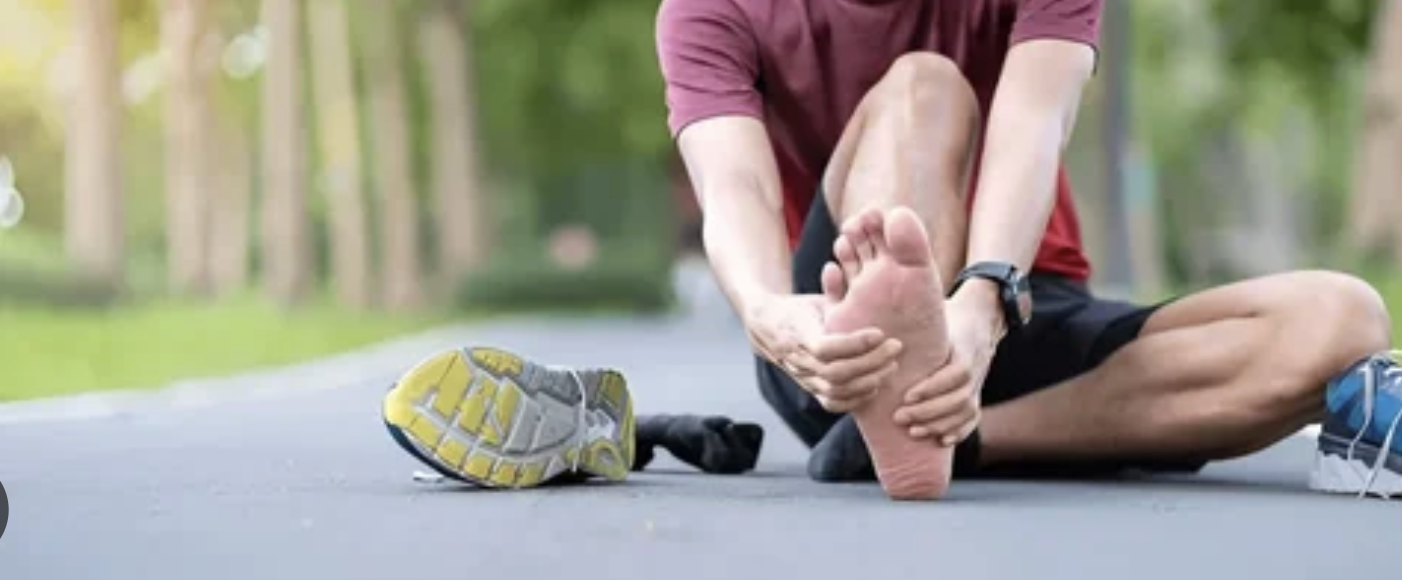
If you are a 20–40-year-old logging 15–50 miles a week around Loveland, Fort Collins, Berthoud, or Windsor and you keep fighting foot, plantar fasciitis-type pain, knee pain, hip pain, or back pain, it is not because running is “bad” for you.
You have probably tried inserts, rigid shoes, soft shoes, stretching, foam rolling, massage, tape, a Theragun, maybe even multiple rounds of physical therapy or chiropractic.
If you are still hurting, the problem is not you – it is the conventional, symptom-based model.
The patented One80 System® is the opposite of everything you have tried: 1:1 care, no protocols, full-body testing, and patient-specific exercises that target the root cause so you can prepare correctly and run without pain dominating your training.
If You Run Around Loveland, This Will Sound Familiar
You love running.
Maybe it is a quick 5K before work, weekend 10Ks, or building toward your first marathon.
But somewhere between 15 and 50 miles a week, something always flares up:
 Foot or heel pain that feels like plantar fasciitis
- Achy or sharp knee pain after hills or speed work
- Hip tightness that creeps into every long run
- Low back pain that shows up the day after a hard effort
You have:
- Bought expensive shoes and custom inserts
- Tried massage, foam rolling, and a Theragun
- Done all the stretches Instagram told you to
- Seen a chiropractor, personal trainer, or a big orthopedic center
- Even completed weeks of “traditional” physical therapy
And yet, the next training block, the same pain shows up again.
It is exhausting.
Why Conventional Rehab Keeps Runners Stuck
Most PT, chiropractic, and sports medicine care around running pain is built on the same assumptions:
- Where it hurts is where the problem is
- If a muscle feels tight, it needs to be stretched or smashed
- If a joint is stiff, it needs to be manipulated or adjusted
- If the scan shows something, that must be the cause
So you get:
- Ultrasound, electrical stimulation, or dry needling
- Cupping, massage, or joint manipulation
- Foam rolling, static stretching, and “corrective” exercises
- Generic protocols based on your diagnosis code
Even the fancy gadgets do not magically retrain how your body moves.
Here is the issue: all of that focuses on symptoms, not the system.
Your knee hurts, so everyone stares at your knee.
Your plantar fascia screams, so all the attention goes to your foot.
Meanwhile, the true root cause – usually a combination of limited motion, decreased strength, poor stability and/or motor control somewhere else in the chain – is totally missed.
No wonder the pain returns as soon as you dial your mileage back up.
The One80 System®: The Opposite of Everything You Have Tried
At One80 Physical Therapy in Loveland, we use a patented methodology created by Dr. Rhett Polka that does not look like conventional PT or chiropractic at all.
One80 is literally the opposite of everything you have tried:
- We do not rely on dry needling, cupping, foam rolling, stretching, kinesio tape, massage, or Theragun-style gadgets.
- We do not chase pain or blame your “bad posture” or “over-pronation.”
- We do not run you through standard plantar fasciitis or ankle pain protocols.
Instead, The One80 System focuses on how your entire body moves and responds under load.
We look for the root cause, and breakdown motion, strength, stability and motor control into their smallest pieces. This process is one aspect that sets One80 apart.
Then we use our patented therapy techniques to reverse it.
Every session is:
- 1:1 with a Doctor trained in The One80 System
- Full-body, not just the body part that hurts
- Built on patient-specific evaluation methods
- Exercises you perform in the clinic then at home to maintain progress
- Brokendown to the “what” and “why” so you know exactly what the plan is
- Designed to create immediate change after each visit
No passive care.
No cookie-cutter printouts.
No protocols.
No handing you off to a tech.

Dr. Polka working with a dance patient
What a Visit Looks Like for a Runner
When you come in with recurring foot or knee pain while training for a 10K, half marathon, or marathon, here is what really happens:
- We listen. We want to know how much you run, your goals, where you feel pain, and what you have already tried.
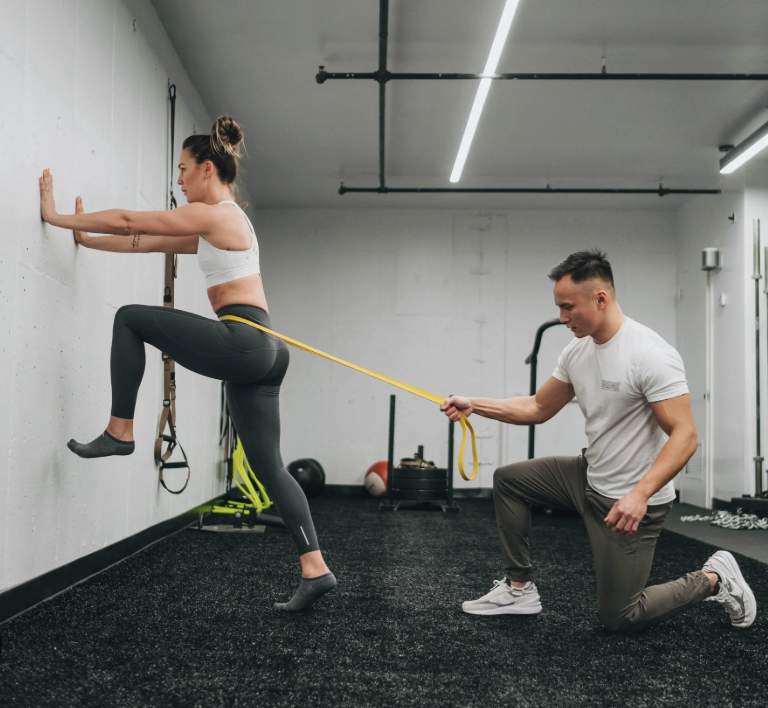
- We test the whole system. Feet, ankles, knees, hips, pelvis, low back, trunk – all functionally, not just on a table.
- We target the muscles that are not doing their job. Often, the painful area is overworking to cover for something else that is underworking.
- We treat actively. Using One80 manual therapy, we get the right muscles back online while you move.
- We re-test under load. We do not just ask, “Does it feel better?” We want to see your movement and running mechanics actually change… each visit.
Our goal is always to move you toward running, not away from it, as quickly and safely as your body allows.
Need a starting point?
If you are curious how our approach applies to your sport, call One80 for your free assessment today at
(970) 593-9300 or request it online at One80pt.com.
Even if you aren’t a runner, a free consultation lets you see exactly how different
The One80 System feels compared with conventional rehab.
Why Running Is Not Supposed To Be Painful
According to multiple sports medicine reviews, a large percentage of recreational and competitive runners experience a lower extremity injury each year.
That does not mean running is the problem.
It means too many runners are training on top of poor preparation and unresolved movement issues.
Running pain-free becomes much more realistic when you:
- Have adequate hip and trunk control so your knees and feet are not overloaded
- Have feet and ankles that can move and respond, not just be held in place by rigid shoes and inserts
- Train your system to be strong and stable at the same speeds you use while running
That is exactly what our patient-specific exercises target.
Not generic “mobility work” and stretches because you are a runner.
Not three sets of ten clamshells because you have knee pain.
But specific movements based on what we found during your One80 assessment.
Fast, Lasting Results: What That Actually Means
We are not promising magic or an “instant cure.”
But we are very clear about this: when you treat the right problem, your body responds quickly.
For many runners we see from Loveland, Fort Collins, Berthoud, and Windsor, that means:
- Noticeable change in pain or function on the first visit
- A clear understanding of why the pain showed up in the first place
- A focused plan that usually takes a handful of visits, not 2–3 visits per week for 6–8 weeks
The goal is not just to get you through your next 5K.
It is to change the way your system works so you are not stuck repeating the same injury cycle next month.

Is One80 Right For You?
You are a great fit for One80 Physical Therapy if:
- You are a 20–40-year-old running 15–50 miles a week
- You live within 12 miles of Loveland, Colorado, including Fort Collins, Berthoud, or Windsor
- You have dealt with recurring foot pain, plantar fasciitis, knee pain, hip pain or back pain
- You have already tried conventional PT, chiropractic, massage, or a personal trainer
- You are done chasing symptoms and want a root-cause, science-based approach
You can learn more about us at One80pt.com and see stories, videos, and updates on our Facebook page.
If you are ready to see how the patented One80 System® can apply to your running:
Call One80 for your free running assessment today
(970) 593-9300 or request it online at One80pt.com.
We will walk you through how our 1:1, root-cause approach can help you prepare properly so running feels like it should – strong, confident, and without pain.
Disclaimer: This article is for informational purposes only and is not a substitute for professional medical advice, diagnosis, or treatment. Always consult a qualified healthcare provider with questions about your individual condition or before starting any new exercise or rehabilitation program.
Leave a Reply
Want to join the discussion?Feel free to contribute!